
Wood Fencing vs Vinyl Fencing: Cost, Durability, Maintenance, and Privacy Comparison for East Tennessee Homeowners
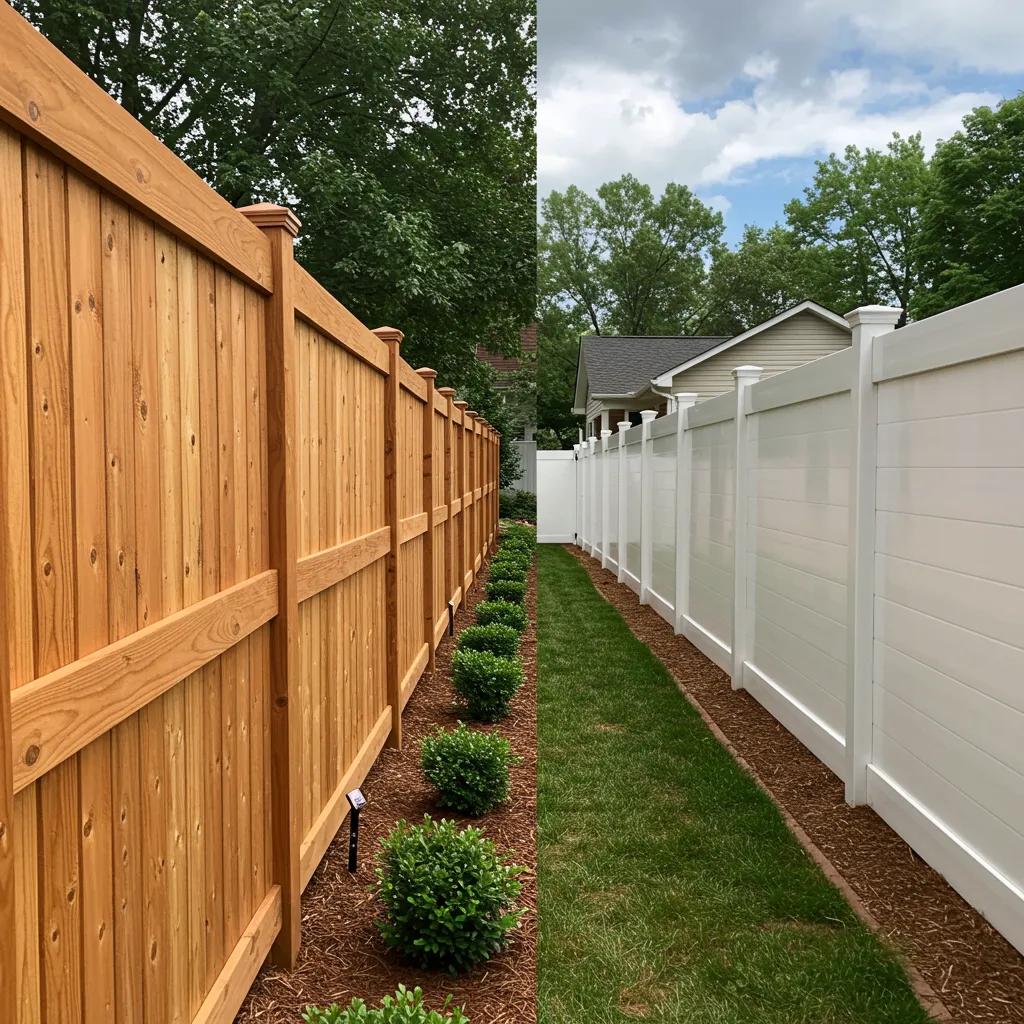
Wood fencing and vinyl fencing are two common boundary solutions; wood is a natural timber product prized for its grain and customization, while vinyl (PVC) is a manufactured polymer that prioritizes low maintenance and rot resistance. This article explains material differences, local cost ranges, expected lifespans in East Tennessee, maintenance schedules, and which option best meets privacy and aesthetic needs for homeowners in Knoxville, Morristown, Maryville, and surrounding areas. Readers will learn upfront and long-term cost comparisons, climate-specific durability factors (humidity, insects, freeze/thaw), and practical maintenance checklists to plan budgets and timelines. The piece also includes quick comparison tables and bulleted pros/cons to make a decision easier, plus local next steps for getting an accurate installation estimate. By the end you’ll understand how wood vs vinyl perform in Tennessee’s climate and when calling a local fencing installation specialist makes sense.
What Are the Key Differences Between Wood and Vinyl Fences?
Wood and vinyl differ in base material, appearance, and lifecycle chemistry: wood is a natural, cellular material (cedar, pressure-treated pine) that accepts stains and paint, while vinyl is an extruded PVC product with color and stabilizers added during manufacturing. The mechanism behind their performance is simple—wood depends on preservative treatments and finishes to resist moisture and insects, whereas vinyl uses inert polymers and UV stabilizers to resist rot and biodegradation. The primary benefit for homeowners is choice: wood offers customizable finishes and millwork while vinyl reduces ongoing maintenance. Understanding these core contrasts frames the more specific cost, durability, and maintenance trade-offs detailed next.
How Do Wood and Vinyl Fences Differ in Material and Appearance?
Wood shows natural grain, texture, and can be cut, shaped, stained, or painted to match architectural styles; cedar and pressure-treated pine are common hyponyms that deliver distinct looks and costs. Vinyl comes in pre-colored panels, some with wood-look textures, and maintains a uniform finish that resists flaking of paint but limits repainting options. Appearance ages differently: wood darkens and weathers over time without finish upkeep, while vinyl may chalk or slightly fade but generally keeps structural shape. These visual and finish differences matter when matching East Tennessee historic neighborhoods or modern builds.
What Are the Main Pros and Cons of Wood Fencing?
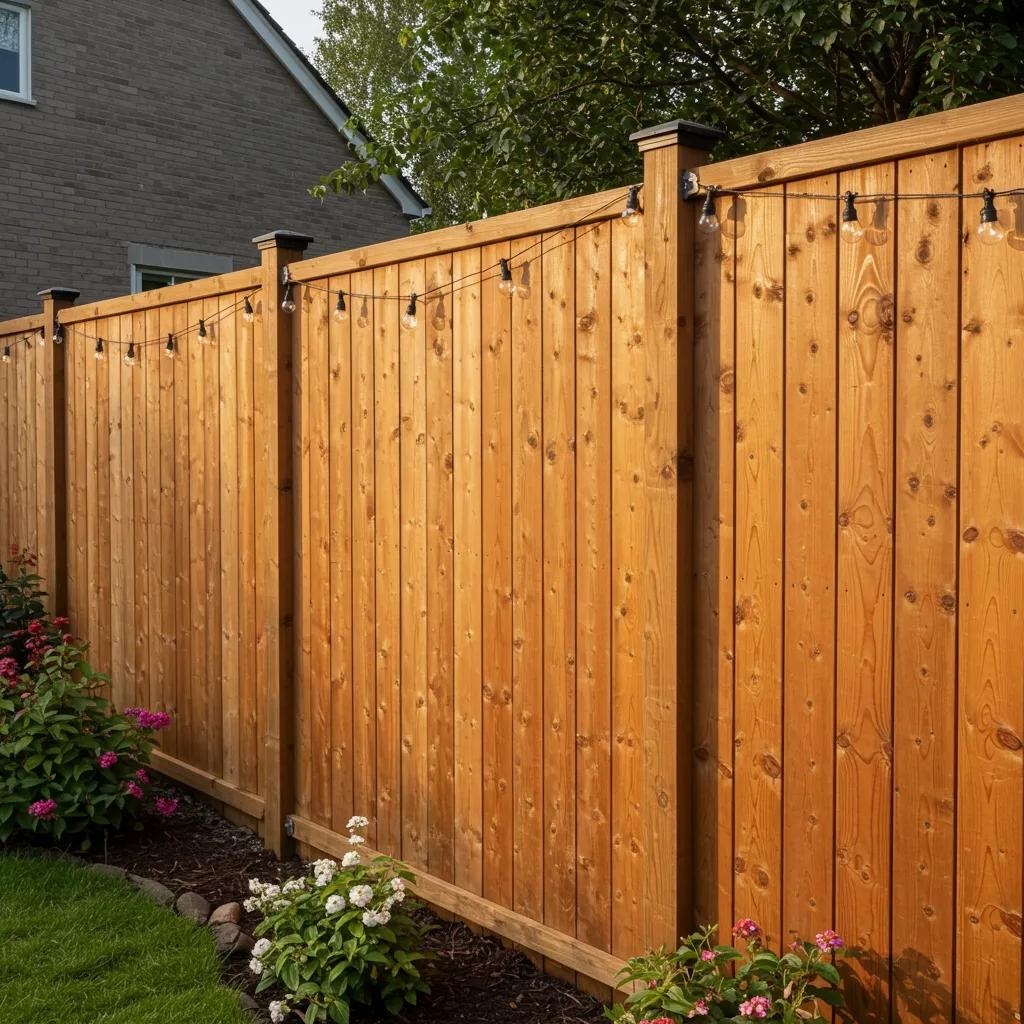
Wood fencing offers a natural aesthetic and flexible customization but requires ongoing care to maintain appearance and structure.
- Pros: Natural beauty and warmth that can be stained or painted; adaptable for picket and privacy styles; often lower material cost depending on species.
- Cons: Requires sealing/staining, vulnerable to rot, insects, and moisture-related warping in humid climates; more frequent repairs can add cost over time.
- Local note: In East Tennessee, choosing cedar or pressure-treated posts and ensuring good drainage mitigates many climate risks.
What Are the Main Pros and Cons of Vinyl Fencing?
Vinyl fencing emphasizes low maintenance and long-term resistance to biological decay while limiting some customization options.
- Pros: Resists rot and termite damage, minimal routine maintenance, long warranties available with quality products.
- Cons: Higher upfront material cost, fewer options for on-site painting, potential for impact damage or brittle cracking in extreme cold.
- Practical note: For homeowners prioritizing time savings and consistent appearance, vinyl often delivers predictable lifecycle costs.
How Does the Cost of Wood Fencing Compare to Vinyl Fencing in East Tennessee?
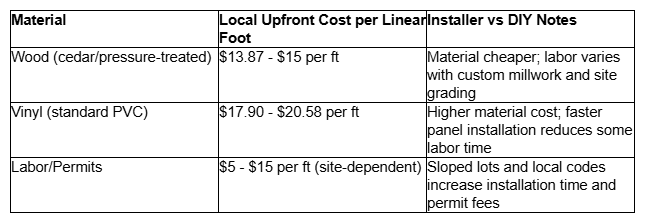
Cost differences arise from material pricing, labor intensity, and longer-term upkeep: wood typically has lower raw material cost but higher recurring staining and repair costs, while vinyl has higher upfront price with lower maintenance outlays. The following table provides an at-a-glance local range and installation notes for typical residential projects.
Wood and vinyl cost ranges for East Tennessee projects:
What Is the Upfront Installation Cost for Wood vs Vinyl Fences?
Upfront costs combine materials, posts, rails, fasteners, and labor; wood projects often show lower material cost but can require more skilled labor for custom finishes, while vinyl panels are more modular and may install faster. Typical regional examples place wood installation in the lower mid-range and vinyl at the higher end per linear foot; permit and terrain can add to either option. For precise, site-specific pricing and to evaluate material grade choices, reach out to a local fencing installation specialist for a free estimate tailored to your property and style preferences.
How Do Long-Term Costs and ROI Differ Between Wood and Vinyl Fencing?
Long-term cost calculations add staining, repairs, replacements, and potential curb appeal effects; wood often needs stain/seal every few years and intermittent board/post replacements, while vinyl typically limits costs to periodic cleaning and rare panel replacement. Over a 10- to 20-year horizon, vinyl can reach break-even versus wood when maintenance and replacement of wood posts/boards are frequent in damp conditions. Homeowners should compare projected maintenance schedules and resale considerations when assessing ROI and plan for local climate effects on longevity.
Which Fence Material Offers Better Durability for East Tennessee Weather?
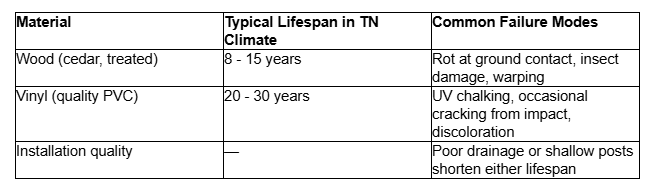
Durability depends on material resilience to humidity, UV, freeze/thaw cycles, and pests: vinyl resists biological decay and insects, while properly treated wood resists rot but remains vulnerable without maintenance. The next table summarizes expected lifespan ranges and typical failure modes in Tennessee’s climate to guide decision-making.
How Long Do Wood and Vinyl Fences Typically Last in Tennessee’s Climate?
Wood fences commonly last around 8–15 years in East Tennessee depending on species, finish, and maintenance; cedar trends toward the upper end while untreated pine is shorter-lived. Vinyl fences often reach 20–30 years with quality material and proper installation; UV-stabilized grades better retain appearance over time. Warranties and installer practices also affect longevity, so verify material grades and post-setting techniques when selecting a contractor.
What Weather and Pest Challenges Affect Wood Fences?
Tennessee’s humidity, heavy rainfall, and freeze/thaw cycles accelerate wood degradation by promoting fungal rot and encouraging insect activity such as termites; soil contact and poor drainage magnify these effects. Preventative measures include pressure-treated posts, raised post settings, gravel drainage pads, and routine inspections for soft spots. Implementing these mitigations at installation reduces repair frequency and extends useful life.
How Does Vinyl Resist Weathering, Fading, and Damage?
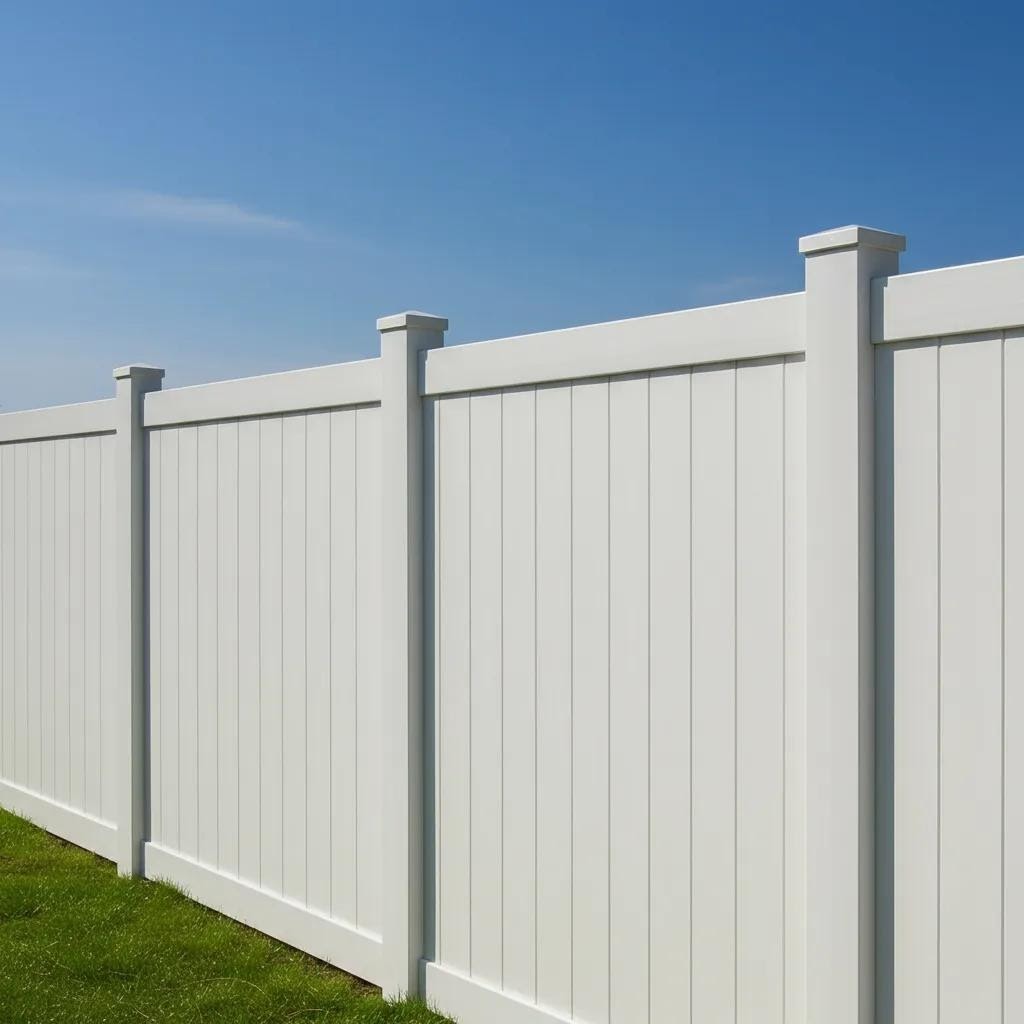
Vinyl’s inert polymer structure and added UV stabilizers reduce biological degradation and limit color loss; however, lower-grade vinyl can chalk or slightly fade over decades and may crack under severe impacts or rapid temperature swings. Choosing thicker, UV-treated vinyl profiles and proper post anchoring minimizes deformation and preserves appearance. For homeowners seeking predictable durability with minimal biological risk, vinyl is often the more robust option.
What Are the Maintenance Requirements for Wood vs Vinyl Fences?
Maintenance obligations differ sharply: wood requires periodic staining/sealing and board/post repairs, while vinyl needs occasional washing and inspection for mechanical damage. The following table summarizes maintenance tasks and recommended intervals to make planning simple for East Tennessee homeowners.
Maintenance commitment comparison:

How Often Does Wood Fencing Need Staining, Sealing, and Repairs?
Wood fencing generally benefits from staining or sealing every 2–4 years in humid climates to block moisture and UV; seasonal inspections should look for soft spots at post bases and loose boards. Common repairs include board replacement, post re-setting, and localized rot treatment; addressing small issues promptly reduces the risk of larger structural failures. Establishing a regular maintenance plan prevents accelerated decline and controls long-term costs.
What Simple Cleaning Is Needed for Vinyl Fencing?
Vinyl requires simple washes with mild detergent and water—using a soft brush or low-pressure washer—to remove dirt, pollen, and mildew; stubborn stains can be treated with a diluted bleach solution and rinsed thoroughly. Annual cleaning and occasional spot treatments after storms maintain appearance and prevent microbial staining. Minimal time investment for cleaning is a key benefit that reduces recurring labor compared with wood.
Under normal homeowner planning, if you prefer to delegate upkeep, local contractors offer maintenance and repair services. Big Tenn Construction Outdoors LLC provides Fencing Installation and can assess existing fences for maintenance needs and offer maintenance estimates; homeowners in Morristown, Knoxville, Maryville, and Kingston can request an on-site review to plan repairs or replacement schedules.
Which Fence Material Provides the Best Privacy and Aesthetic Options?
Privacy and style choices depend on fence type, design, and neighborhood context: full-board wood privacy fences and tall vinyl privacy panels both block sightlines, while picket and semi-privacy styles trade off visibility and airflow. The following list outlines common style options to match design goals and maintenance tolerance.
Common privacy and style options:
- Full-board wood privacy: Maximum natural privacy and customizable finishes for a traditional look.
- Vinyl privacy panels: Low-maintenance privacy with consistent panel profiles and integrated caps.
- Semi-privacy and picket styles: Allow airflow and partial visibility, suitable for front yards and cottage aesthetics.
How Does Wood Fencing Offer Natural Beauty and Customization?
Wood enables custom millwork, varied top treatments, and paint or stain colors to match architectural styles, making it ideal for cottage, craftsman, and historical neighborhoods. Homeowners can select picket, scalloped, or capped privacy designs and adapt heights and gates on-site. For properties where bespoke appearance and tactile warmth are priorities, wood remains a strong choice despite its maintenance obligations.
What Vinyl Fence Styles and Colors Are Available for Modern Homes?
Vinyl typically offers privacy panels, picket styles, and limited wood-look textures in whites, tans, and earth tones; color retention depends on UV-stabilized formulations. While vinyl limits repainting, its factory finishes provide consistent long-term appearance and low upkeep. For contemporary homes wanting clean lines and minimal upkeep, vinyl matches modern aesthetics well.
Which Fence Type Is Best for Privacy Needs in East Tennessee?
Choose wood privacy fencing for the most natural look and design flexibility when budget allows for ongoing maintenance; choose vinyl privacy panels when low maintenance and consistent appearance are primary goals. Scenario recommendations:
- Budget-conscious, willing to maintain: choose treated wood privacy.
- Low-maintenance priority: choose quality vinyl privacy panels.
- Highest customization: choose wood with custom millwork and finishes.
For homeowners ready to move from planning to installation, Big Tenn Construction Outdoors LLC offers Fencing Installation estimates and local expertise tailored to East Tennessee weather and neighborhood styles. Contact Big Tenn Construction Outdoors LLC at (865) 224-0477 or bigtennconstruction@gmail.com, or schedule an on-site consultation at 4600 Spencer Hale Rd Morristown, TN 37813 to get a free fencing estimate and warranty details.